Nothing Graphic Tee Design Ideas: Urban Edge
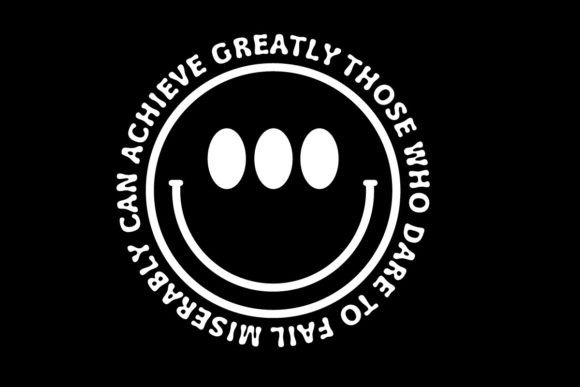
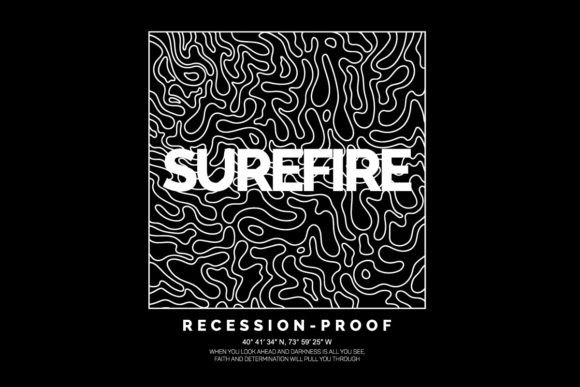
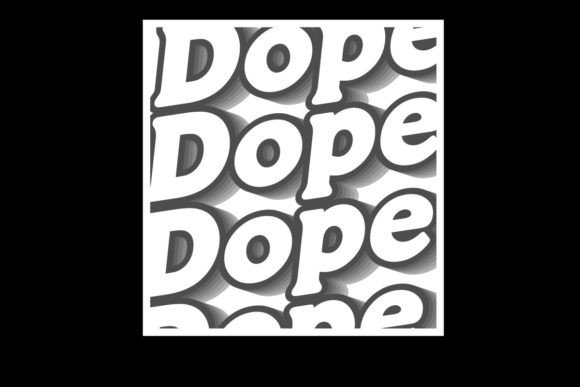
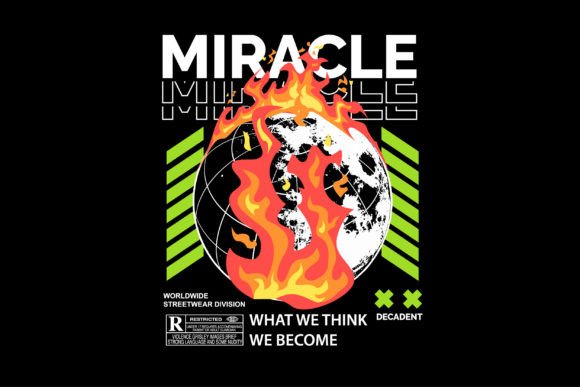
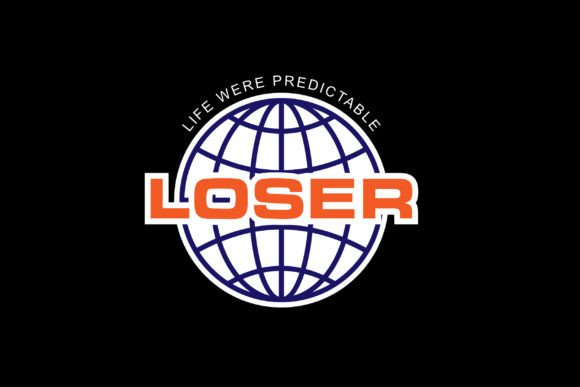
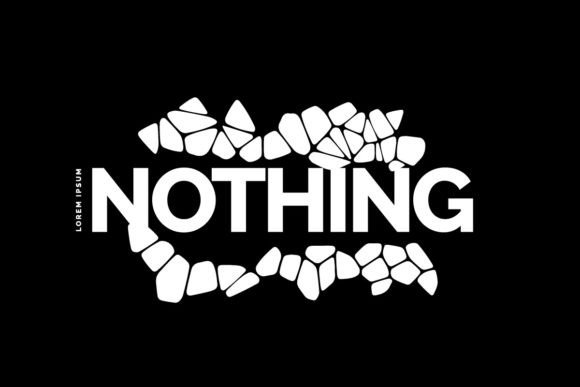
If you've spent any time in the streetwear scene, you know that the graphic isn't just decoration—it's the statement. It’s the difference between a generic tee and a piece that starts a conversation. That’s the core of what we’re looking at with Nothing Graphic Tee Design Ideas. This isn't a font library or a set of icons. It’s a collection of pre-composed, high-impact visual concepts built specifically for the urban fashion market. Think of it as a toolkit for founders, designers, and creators who need to launch a line or a single product with a distinct, gritty, yet polished aesthetic without starting from a blank canvas.
The Anatomy of the Aesthetic: More Than Just Graphics
So, what defines this collection? The "Nothing" here is a bit of a misnomer—it’s really about everything that makes a streetwear graphic work. The designs pull from a blend of influences: the raw energy of graffiti, the structured rebellion of punk flyers, and the clean lines of modern minimalist branding. You’ll find elements like distressed textures, bold typographic lockups, abstract shapes, and illustrative motifs that feel pulled from a skate park or a downtown mural. The personality is confident and a little confrontational, but always wearable. It’s the kind of design that looks equally at home on a heavyweight cotton tee, a hoodie, or even a tote bag.
What makes these Nothing Graphic Tee Design Ideas practical is their vector-based nature. You’re not getting a flat, locked image. You’re getting source files—typically in EPS format—that act like a layered blueprint. This means you can open them in Adobe Illustrator, Affinity Designer, or even the free Inkscape software and truly make them yours. Want to change the color scheme from monochrome to a neon accent? Easy. Need to scale the main graphic up 300% for a back print without it turning into a pixelated mess? That’s the whole point of vectors. You can pull out an element you love, rearrange the composition, or swap the placeholder text for your brand name. This flexibility is what separates a premium font asset from a static image, and it’s crucial for building a consistent brand identity.
Where These Designs Find Their Home
The primary playground for this collection is, of course, custom printed clothing. But its utility extends far beyond a basic t-shirt. Let’s break down the real-world applications.
- For the Streetwear Brand Founder: This is your rapid prototyping kit. Use a design as a hero graphic for your first drop. Edit the colors to match your brand palette, add your logo, and you have a market-ready sample to show manufacturers or to test on a print-on-demand service. It helps you move from idea to visual proof in hours, not weeks.
- For the Marketer or Event Organizer: Need merch for a launch event, a music festival, or a corporate team-building day with an edge? These designs provide that sought-after "cool" factor. They translate well to other design assets like posters, stickers, and social media banners, ensuring visual consistency across your campaign.
- For the Content Creator or Blogger: Your personal brand is everything. A unique graphic tee can become a signature look in videos or photos. Using one of these designs, customized with your catchphrase or channel name, creates exclusive merchandise for your audience that feels authentic, not generic.
- For the Crafter and Hobbyist: If you sell on platforms like Etsy or at local markets, having a library of editable graphics is gold. You can create limited-run items, seasonal designs, or personalized products without being a professional illustrator.
The style here is inherently modern typography and graphic design at its most applied. It’s not about the nuances of a serif font’s bracketing; it’s about how a bold, sans-serif wordmark interacts with an illustrative element to create immediate visual impact. This is logo design, packaging design (think hangtags and labels), and web design (for e-commerce hero images) rolled into one. The designs influence brand perception directly—they signal that a brand is current, design-aware, and in tune with a specific cultural aesthetic.
Making It Work: Practical Implementation
Having the files is one thing; using them effectively is another. Here’s a straightforward guide to integrating these Nothing Graphic Tee Design Ideas into your workflow.
- Evaluate the Fit: Look at the design’s mood. Does it align with your target audience? A gritty, textured design might perfect for a skate brand but could clash with a luxury skincare line. Consider the visual hierarchy—where does your eye go first? That should be the core message or brand element.
- Test Font Pairings (Even in Pre-Made Graphics): While the design comes as a whole, you might want to add a tagline or secondary text. This is where understanding font pairing comes in. If the main graphic uses a heavy, condensed display font, pair your added text with a clean sans serif font for readability. Avoid adding another script font or handwritten font unless you’re deliberately going for chaos. The goal is complement, not competition.
- Focus on Readability: On a t-shirt, text needs to be legible from a few feet away. If you’re editing the text elements, avoid overly intricate script fonts for body copy. Use them sparingly for accents. Bold, clean typefaces win for primary messaging.
- Check the Commercial License: This is non-negotiable. The asset should come with a license that permits commercial use—meaning you can sell the end product (the printed tee, poster, etc.). Always read the license terms. Most quality commercial font and graphic assets allow this, but you need to confirm it for your specific use case.
- Work in Layers: When you open the EPS file, take a moment to understand the layer structure. Good vector files are organized. This lets you easily isolate the background texture, the main illustration, and the text blocks. Recoloring a single element without affecting the rest is a simple click-and-select task.
Remember, the strength of a collection like this is its role as a starting point. It handles the heavy lifting of composition and style, freeing you up to focus on customization and branding. It’s a practical solution in a world where strong design assets are a key competitive advantage. Whether you’re building a brand identity from scratch or refreshing an existing line, having a library of editable, high-quality graphics is like having a senior designer on call. It accelerates your creative process, ensures professional results, and lets you focus on what you do best—whether that’s designing, marketing, or running your business.